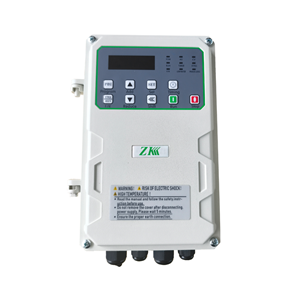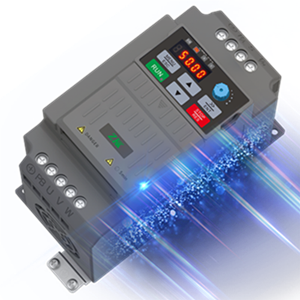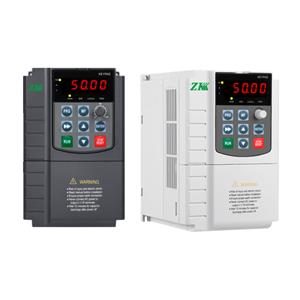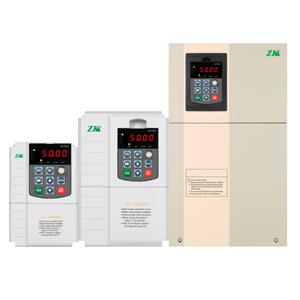
Energy Efficiency Solutions for Southeast Asia & European Markets
Variable Frequency Drives: Energy Efficiency Solutions for Southeast Asia & European Markets
How VSD, VFD, and AC Drive Controllers Are Redefining Industrial Energy Savings
Introduction: The Global Drive for Energy Efficiency
Energy efficiency has moved from a nice-to-have to a non-negotiable competitiveness factor for manufacturers, water utilities, and HVAC operators across both Southeast Asia and Europe. As electricity tariffs climb and carbon regulations tighten, the question is no longer whether to optimize energy use—but how fast.
Enter the VFD (Variable Frequency Drive), also known as VSD (Variable Speed Drive) or simply AC drive. This single piece of equipment can slash motor energy consumption by 30–50% in typical industrial applications. For companies operating in high-energy-cost markets like Germany, the Netherlands, Vietnam, or Thailand, an AC drive controller is one of the highest-ROI upgrades available.
Understanding VFD Technology: What Is a Variable Frequency Drive?
A variable frequency drive is an electronic controller that adjusts the speed and torque of an AC electric motor by modifying the frequency and voltage of the power supplied to the motor. By running motors only at the speed the process demands—rather than at full throttle all the time—energy waste is dramatically reduced.
The term VSD (Variable Speed Drive) and VFD (Variable Frequency Drive) are often used interchangeably, though VSD is the broader concept and VFD is the specific technology most commonly deployed. The AC drive controller refers to the intelligent unit that manages start/stop sequences, speed ramps, torque limits, and protective functions.
Key features of modern AC drive inverter units include:
- Sensorless vector control for high starting torque and smooth low-speed operation
- Built-in PLC functionality for standalone process automation
- Energy-saving modes that automatically optimize power draw during idle or partial-load periods
- Regenerative braking capabilities that return energy to the grid—particularly valued in European markets
- Harmonic filtering to meet IEEE 519 standards and grid codes in both Europe and Southeast Asia
Why Southeast Asia Is Adopting AC Drives at Scale
Southeast Asian economies—Vietnam, Thailand, Indonesia, Malaysia, and the Philippines—are industrializing rapidly. Factories, water treatment plants, and cold storage facilities are proliferating, driving electricity demand to historic highs. In response, many governments have introduced energy efficiency mandates and incentives.
Vietnam's national energy efficiency program (VNEEP) and Thailand's SPP industrial co-generation schemes have both catalyzed adoption of variable frequency drive controllers in industrial motor systems. The region's rapidly expanding garment manufacturing, food processing, and plastics sectors are primary use cases—conveyor belts, pumps, compressors, and fans all benefit from VFD optimization.
Key growth drivers in Southeast Asia:
- Rising electricity prices — Industrial tariffs in Vietnam and Thailand have increased 15–20% over the past three years, making the payback on AC drive inverter systems increasingly attractive
- Government subsidies for energy-efficient equipment — Many ASEAN nations offer tax incentives for investments in VFD controller–equipped systems
- Growing awareness of VSD benefits — Local engineering consultants increasingly specify VFD solutions in new project designs
- Expansion of cold chain infrastructure — Post-pandemic food safety investments have driven massive growth in refrigerated warehouses, where VFD-controlled compressors deliver substantial savings
Europe's Regulatory Push: How EU Directives Are Accelerating VFD Adoption