Excellent application of frequency converters in remote energy-saving control of tunnel mud pumps
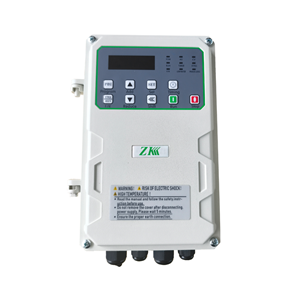
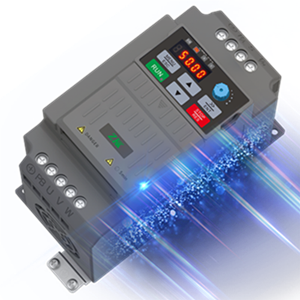
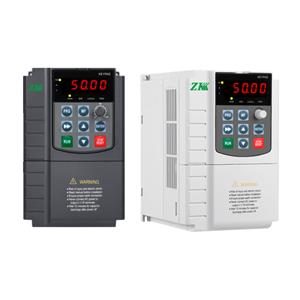
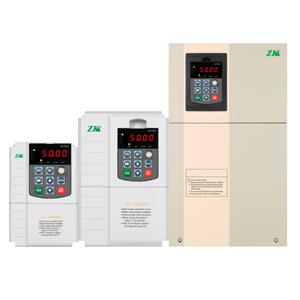
The ZK300 frequency converter boasts excellent performance and advanced control technology. Its 380V voltage adaptability provides stable power to a 75kW mud pump. Through precise frequency regulation, the converter can flexibly change the motor speed according to actual operating conditions, thereby achieving precise control of the mud pump's flow rate and pressure.
In tunnel construction environments, remote control functionality is particularly important. Operators can set and operate the frequency converter parameters remotely without being physically present on-site, greatly improving convenience and safety. For example, when the load on the mud pump changes, remote operators can quickly adjust the frequency converter's output frequency to ensure the mud pump always operates at high efficiency.

This energy-saving control method offers several advantages. First, it significantly reduces energy consumption. In traditional operation, mud pumps often run at full speed, even under light loads, resulting in substantial energy waste. The ZK300, however, automatically adjusts the motor speed according to the actual load, avoiding the "overpowered motor" situation and effectively saving energy. Actual calculations show that using this inverter can achieve energy savings of over [X]%.
This extends the equipment's lifespan. Because the frequency converter enables soft start and soft stop of the motor, it reduces current surges and mechanical wear during motor startup, lowering maintenance costs and the failure rate. The ZK300 also boasts excellent stability and reliability. Even in the complex electromagnetic environment of tunnels, it maintains stable operation, ensuring the continuous work of the mud pump and providing strong support for the smooth progress of tunnel construction.
The application of the ZK300 380V/75kW in remote energy-saving control of tunnel mud pumps has not only achieved energy conservation and emission reduction, and lowered operating costs, but also improved equipment operating efficiency and reliability, bringing significant economic and social benefits to tunnel engineering construction. We believe that advanced energy-saving control technologies will be more widely used in future engineering construction.