How to Select Suitable Accessories and Components for Solar Inverters
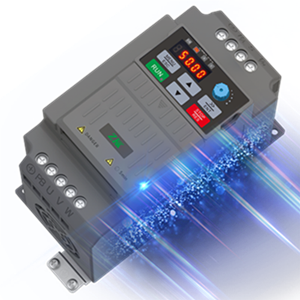
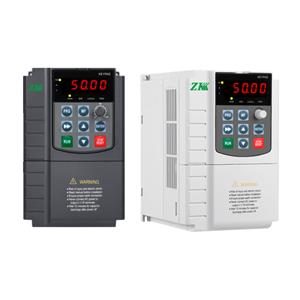
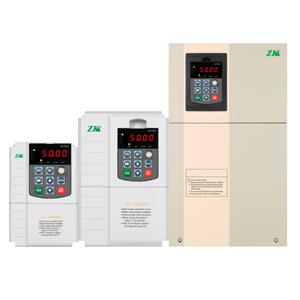
Solar pump inverters are essential for converting solar energy into usable power for water pumps, making them a cornerstone of modern, sustainable water management systems. However, the performance and reliability of the solar pump inverter system depend not only on the solar pump inverter itself but also on the proper selection of accessories and components. Choosing the right accessories ensures efficient operation, system longevity, and ease of maintenance. This article provides a comprehensive guide on how to select suitable accessories and components for the solar pump inverter system.
1. Understanding the System Requirements
Before selecting accessories, it is vital to understand the entire solar pump inverter system’s requirements. Factors such as the type of pump (submersible or surface), water source, daily water demand, solar panel configuration, and environmental conditions all influence the choice of components. The solar pump inverter’s specifications—such as input voltage range, output power, and control features—must be compatible with the selected accessories.
2. Essential Accessories for Solar Pump Inverters
a) Solar Panels and Mounting Structures
Solar panels are the primary source of energy. The total wattage and voltage of the solar array should match the solar pump inverter’s input requirements. High-quality mounting structures are necessary to ensure the panels are securely installed and oriented for optimal sunlight exposure.
b) DC and AC Cables
Cables must be appropriately sized to handle the current and voltage, minimizing power loss and ensuring safety. Use UV-resistant and weatherproof cables for outdoor installations.
c) Circuit Breakers and Fuses
Overcurrent protection devices such as DC and AC circuit breakers and fuses are crucial for protecting both the solar pump inverter and pump from electrical faults. Select devices rated for the solar pump inverter system’s maximum current and voltage.
d) Surge Protectors
Lightning and power surges can damage sensitive electronics. Install surge protection devices on both the DC and AC sides of the solar pump inverter to safeguard the solar pump inverter system.
e) Grounding Kits
Proper grounding is essential to prevent electric shock and protect the equipment from lightning strikes. Use grounding rods and cables as recommended by the solar pump inverter manufacturer.
f) Remote Monitoring Modules
Many modern solar pump inverters support remote monitoring via GPRS, Wi-Fi, or Bluetooth modules. These accessories allow users to track the solar pump inverter system’s performance, receive fault alerts, and adjust settings remotely, enhancing convenience and system management.
g) Water Level Sensors and Float Switches
To prevent dry running and overflow, water level sensors or float switches can be connected to the solar pump inverter. These devices automatically start or stop the pump based on water levels in the tank or well.
h) Pressure Sensors and Valves
For constant pressure water supply systems, pressure sensors and automatic control valves are essential. They help maintain stable water pressure and protect the pump from operating outside safe limits.
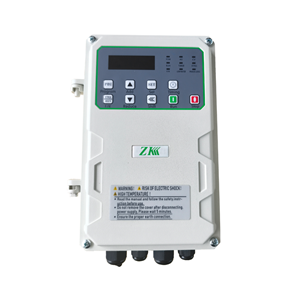
i) Solar Pump Controllers
Some solar pump inverter systems benefit from an additional solar pump controller, which can provide advanced protection features, soft start/stop, and more sophisticated control logic.
j) Batteries (Optional)
While most solar pump inverter systems operate during daylight, batteries can be added for energy storage if water supply is needed at night or during cloudy periods. Battery selection should consider capacity, voltage, and compatibility with the solar pump inverter.
3. Selection Tips and Best Practices
Compatibility: Always ensure that accessories are compatible with the solar pump inverter’s electrical and communication interfaces. Refer to the solar pump inverter’s user manual or consult the manufacturer for recommended accessories.
Quality and Certification: Use components that comply with international standards (such as CE, UL, or IEC) for safety and reliability.
Environmental Suitability: For outdoor installations, choose weatherproof, corrosion-resistant, and UV-stabilized accessories.
Ease of Maintenance: Select accessories that are easy to install, inspect, and replace. Modular designs can simplify future upgrades or repairs.
Supplier Support: Purchase accessories from reputable suppliers who provide technical support, clear documentation, and warranties.
4. Common Mistakes to Avoid
Undersizing Cables or Breakers: This can cause overheating, voltage drops, or even fire hazards in the solar pump inverter system.
Ignoring Surge Protection: Especially in areas prone to lightning, lack of surge protectors can lead to costly failures of the solar pump inverter system.
Mismatched Sensors: Using incompatible water level or pressure sensors may result in erratic pump operation or system errors in the solar pump inverter system.
Selecting the right accessories and components for your solar pump inverter system is crucial for achieving optimal performance, safety, and longevity. By carefully considering the solar pump inverter system’s requirements, prioritizing compatibility and quality, and following best installation practices, you can ensure a reliable and efficient solar water pumping solution tailored to your needs. For complex systems or unique site conditions, consulting with experienced professionals or manufacturers is always recommended.