Solar Pump Inverters Lead the Charge in Sustainable Agricultural Irrigation: A 2026 Industry Breakthrough
Date: May 27, 2026
By: ZK
In 2026, solar pump inverters have emerged as the cornerstone of sustainable water management, revolutionizing agricultural irrigation across arid and semi-arid regions. Driven by rising energy costs and global climate challenges, farmers and governments alike are turning to off-grid solar pumping systems that eliminate reliance on fossil fuels and expensive battery storage.
Key Technological Advancements Powering the Shift
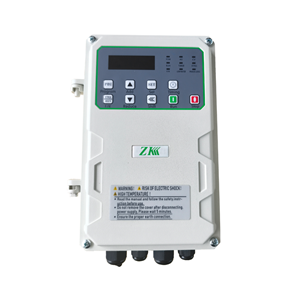
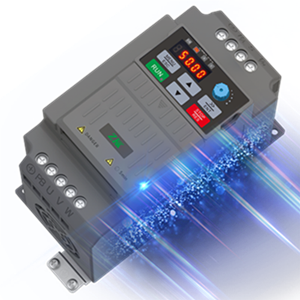
Modern solar pump inverters now integrate MPPT (Maximum Power Point Tracking) technology, which optimizes energy harvest from solar panels even under partial shading or variable sunlight conditions. This ensures 95%+ system efficiency, critical for remote farms where grid connectivity is nonexistent. Leading manufacturers like SUOER and Jntech have introduced IP65-rated inverters with pure sine wave outputs, compatible with both submersible and surface pumps—ensuring durability in harsh environments like India’s monsoon zones or the Philippines’ coastal farmlands.
“Traditional diesel-powered pumps cost farmers 30-40% more annually in fuel and maintenance,” says Rajesh Kumar, an agricultural engineer in Punjab, India. “A 15HP solar pump inverter system pays for itself in 3-4 years, with zero ongoing fuel costs.”
Global Market Expansion: From Niche to Mainstream
The global solar pump inverter market is projected to reach 12 million program to subsidize 3-phase 380V inverters (up to 37KW) for smallholder farmers, targeting rice and corn cultivation. Similarly, India’s “Solar Pumping Mission” aims to install 500,000 solar-driven irrigation systems by 2030, with inverters ranging from 2.2KW (for household gardens) to 500KW (for large-scale farms).
Why Solar Pump Inverters Outperform Alternatives
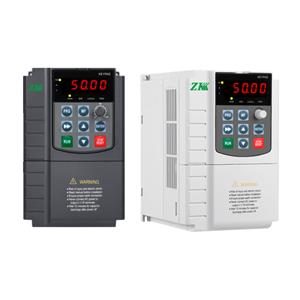
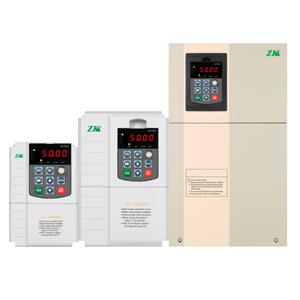
Unlike hybrid systems that require batteries, solar pump inverters operate in a direct DC-AC conversion loop, reducing component failure rates by 60%. Their modular design allows farmers to scale capacity by adding solar panels—no complex rewiring needed. For example, a 7.5KW inverter can be upgraded to 11KW simply by increasing panel count, making it ideal for growing farms.
Looking Ahead: As solar panel costs drop 15% year-on-year in 2026, solar pump inverters are set to dominate the $150 billion global irrigation market—proving that clean energy isn’t just eco-friendly, it’s economically smart.