Which countries offer subsidies for solar water pumps? How can distributors benefit?
As global water resource pressures continue to increase, green agriculture and sustainable irrigation have become common goals for countries worldwide, leading to a rise in the adoption rate of solar water pumps. However, upfront costs remain a significant barrier. For distributors, this translates to lost sales and slow growth. The good news is that more and more countries are offering subsidies—creating tremendous opportunities for those who know how to identify business opportunities.
In recent years, countries including India, the United States, Australia, Uganda, and Kenya have introduced solar water pump subsidy policies, with coverage rates generally exceeding 50% and reaching as high as 90%. This significantly reduces farmers' upfront costs and injects strong momentum into the popularization of clean energy irrigation technologies. For distributors, this means easier sales, higher conversion rates, and as more countries join this development trend, market potential will continue to expand.
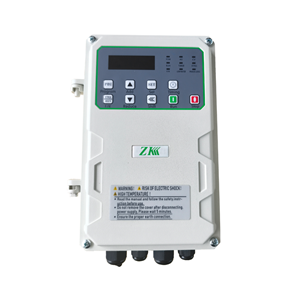
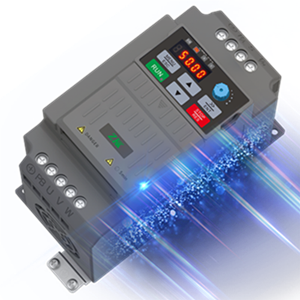
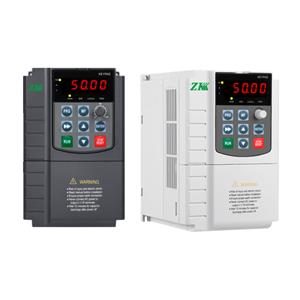
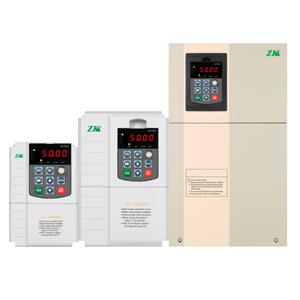
Under this trend, the technical performance and reliability of the supporting equipment become crucial for project implementation. The ZK series solar water pump inverter, with its wide voltage adaptability, intelligent MPPT algorithm, and multi-mode control strategy, ensures efficient and stable system operation even in unstable sunlight or cloudy/rainy weather, achieving "all-weather water supply." It has been successfully applied in several subsidized project areas such as India, Kenya, and Pakistan, effectively improving overall project efficiency and user satisfaction.
For distributors and installers worldwide, government subsidies not only mean a broader market but also place higher demands on their system integration capabilities and technical service levels.
Let's explore how these subsidies work and how installers and suppliers can utilize them to develop their solar water pump businesses.
What are the global subsidy amounts for solar water pumps?
The specific percentages vary greatly:
India: Up to 90% under Prime Minister Kussum's plan.
Uganda: Farmers bear only 25% of the cost.
United States: The USDA's REAP program provides subsidies of up to 50% for solar irrigation.
Australia: Projects offered by various states provide subsidies ranging from 30% to 60% depending on the region.
Kenya and Nigeria: Typically supported by international aid and World Bank funding. Understanding local and international financing models can help you tailor your pitching and sales processes accordingly.
Which countries currently offer solar water pump subsidies?
Here are some countries actively promoting solar water pump adoption through financial incentives:
India – PM-KUSUM program
Uganda – governmental and NGO-supported model
Kenya, Nigeria, Ghana – supported by the World Bank and donor programs
United States – through USDA and Rural Development grants
Australia – state-level agricultural energy transition plans
Pakistan, Nepal, Bangladesh – targeting smallholder farmers
China – providing solar irrigation support in some rural provinces
Morocco, Egypt, Ethiopia – solar irrigation is gaining traction driven by climate initiatives.
And this list continues to grow.
Will more countries launch solar water pump subsidy programs in the future?
Yes. The global push for sustainable agriculture and climate-smart irrigation is prompting more and more governments to adopt solar water pump solutions. Even low-income countries are beginning to participate, supported by international organizations such as the World Bank, UNDP, and Green Climate Fund. This presents a growing window of opportunity for distributors looking to scale up.
What are the advantages of becoming a solar water pump distributor?
Solar water pump subsidies address a major pain point: cost. When a system receives 70% to 90% of its cost as a subsidy:
Farmers buy faster
Order volume increases
Customer satisfaction rises
You position yourself as a value-driven supplier.
Government subsidies = sales accelerator.
What are the eligibility criteria for solar water pump subsidy programs?
While specific requirements vary, common criteria include:
Must be a farmer or registered agricultural user
Own or lease arable land
Access to water sources (wells, boreholes, canals, etc.)
In some countries, income level or land ownership size may also apply.
Please check your local scheme for specific details, as government subsidy policies for solar water pump projects frequently change.
Conclusion: Ready to grow with global solar subsidies?
Solar water pump subsidies are unlocking enormous potential for the industry. Are you ready to seize this global opportunity? Please share this information with your team or contact your local energy authority to begin providing subsidy solutions.