How Solar Pump Inverters Are Transforming Rural Water Access in Emerging Economies
Date: May 26, 2026
By: Shenzhen ZK Electric Technology Co.,Ltd.
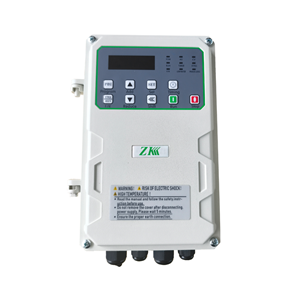
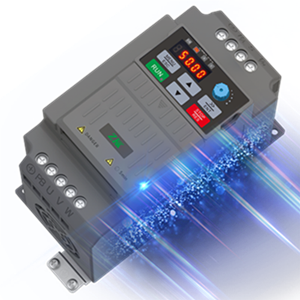
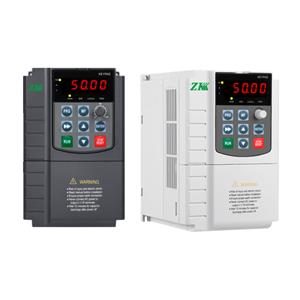
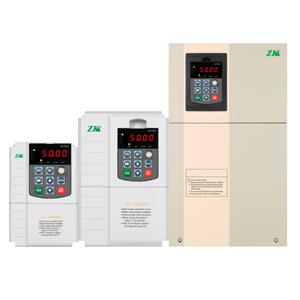
In rural communities across Africa, Southeast Asia, and Latin America, solar pump inverters are solving a critical challenge: access to clean, reliable water. By pairing solar arrays with AC variable frequency drives (VFDs), these systems deliver 24/7 water pumping—without electricity grids, diesel generators, or expensive infrastructure.
Case Study: The Philippines’ “Solar for Farms” Initiative
In 2025, the Philippine government partnered with local manufacturers to deploy 10,000 solar pump inverter systems in Mindanao’s agricultural heartland. The program targets coconut, banana, and sugarcane farmers, providing 3-phase 380V inverters (4KW-37KW) with RS485 monitoring capabilities. Farmers can track real-time energy usage via mobile apps, optimizing pump schedules to match solar peak hours.
“Before the solar system, we spent $200/month on diesel for irrigation,” says Maria Santos, a coconut farmer in Davao. “Now, our 11KW inverter runs on free solar energy, and we’ve doubled our harvest.”
Technical Edge: Durability Meets Intelligence
Solar pump inverters for off-grid use are engineered for extreme conditions. IP65-rated enclosures withstand dust storms in Rajasthan, India, while corrosion-resistant coatings protect coastal installations in Vietnam. Advanced algorithms adjust pump speed based on solar irradiance—preventing over-pumping during midday peaks and maintaining pressure during cloudy periods.
Economic & Environmental Impact
A single 15HP solar pump inverter system saves farmers $1,500 annually in fuel costs, while reducing 12 tons of CO2 emissions per year. For smallholder farmers, this translates to higher profits and food security. In Kenya, the “Solar Water for Agriculture” project has provided 5,000 inverters to women-led cooperatives, enabling them to irrigate crops year-round—even during dry seasons.
The Bigger Picture: With 2.6 billion people lacking reliable water access globally, solar pump inverters are a scalable, low-cost solution. As manufacturing costs fall and supply chains mature, these systems will become the backbone of rural development in the 21st century.