Next-Gen Variable Frequency Inverters Redefining Industrial Energy Efficiency in 2026
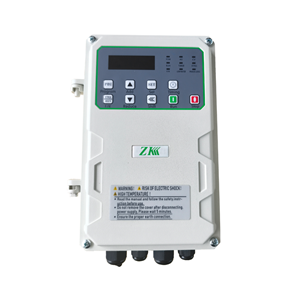
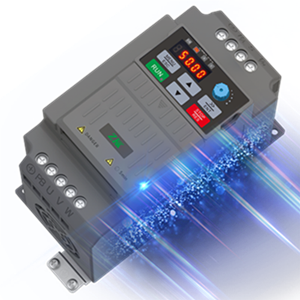
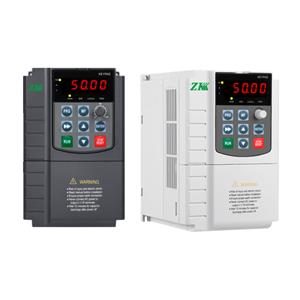
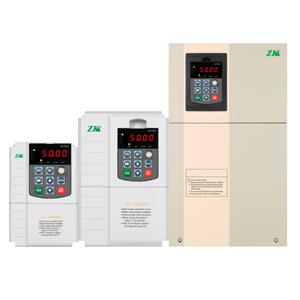
As global industries face stricter carbon reduction targets and rising energy costs,the demand for advanced motor control technology has reached an all-time high.A new generation of intelligent Variable Frequency Inverters (VFIs) is emerging as the cornerstone of this green industrial revolution,offering unparalleled energy savings and operational precision.Optimizes motor performance by adjusting the frequency and voltage of the electrical power supplied to the motor. Unlike traditional fixed-speed systems that run at full load, a VFI allows motors to operate at speeds tailored to the precise demand, resulting in significant energy savings—often between 20% to 50%.
In HVAC,pumping,and fan applications, the implementation of a high-efficiency VFI can drastically lower carbon footprints.Modern VFIs offer advanced energy-saving algorithms that monitor load requirements in real-time,reducing unnecessary power usage during low-demand periods.For manufacturers looking to meet strict environmental regulations and improve sustainability metrics,upgrading legacy systems with a modern VFI is the most cost-effective approach. Beyond energy savings,these devices reduce mechanical wear and tear,lowering maintenance costs and extending the lifespan of machinery.
According to industry analysts,traditional fixed-speed motor systems are inefficient,often consuming maximum power even when operating at partial loads.The latest Variable Frequency Inverters,also known as Variable Frequency Drives (VFDs),address this inefficiency by adjusting the speed of electric motors to match the precise demand of the process.
"The adoption of advanced VFI technology is no longer just a luxury; it is a necessity for sustainable manufacturing," said CTO of a leading drive manufacturer."By integrating AI-driven predictive maintenance and smart control algorithms,modern VFIs can reduce energy consumption in HVAC,pumping,and fan applications by up to 50%."
Key Advantages of New VFI Technology
Significant Energy Savings: By optimizing motor speed,VFIs reduce energy consumption,directly lowering operational costs and reducing the carbon footprint.
Enhanced Process Control:Precise speed and torque control allow for smoother operations,improving product quality and reducing mechanical wear.
Reduced Mechanical Stress:Soft-starting capabilities eliminate the high inrush currents associated with direct-on-line starting,extending the lifespan of motors and connected equipment.
The latest market trends show that industries such as water treatment,mining,and food processing are rapidly upgrading their legacy systems to high-efficiency Variable Frequency Inverters.Furthermore,new regulations regarding motor efficiency encourage the adoption of IE4 and IE5 motors,which are designed to work seamlessly with sophisticated VFIs.
Future Outlook
As the integration of Internet of Things (IoT) technologies matures,future Variable Frequency Inverters will provide real-time diagnostics,allowing operators to monitor performance metrics remotely and predict failures before they occur. This shift towards smart manufacturing is expected to drive the VFI market growth significantly over the next five years.