Solar Irrigation Controller Integration with Automatic Systems
As the world faces increasing water scarcity and climate change challenges, efficient and sustainable agricultural practices are more important than ever. Among the innovative solutions transforming modern agriculture, the integration of solar irrigation controllers with automatic irrigation systems stands out. This integrated solar-powered automatic irrigation system optimizes water use, reduces energy costs, and minimizes environmental impact. This article explores how this integrated system works, its benefits, and best practices for implementation.
1. The Role of Solar Irrigation Controllers
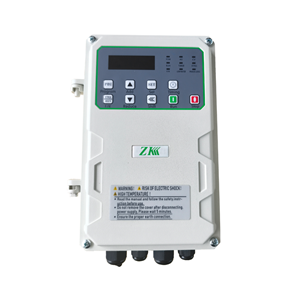
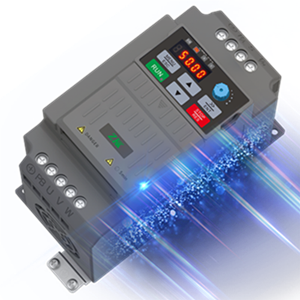
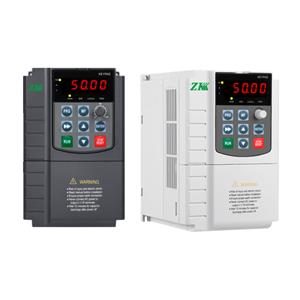
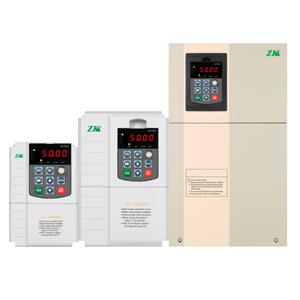
A solar irrigation controller is a device that manages irrigation schedules and the operation of water pumps, using energy harvested from solar panels. Unlike conventional controllers that rely on grid power or batteries, solar controllers draw power directly from the sun, making them ideal for remote locations or areas with unreliable electricity supply. These controllers typically include features such as programmable schedules, sensor inputs, and remote communication capabilities.
2. Automatic Irrigation Systems Explained
Automatic irrigation systems are designed to deliver water to crops, gardens, or landscapes with minimal human intervention. These systems use a combination of pumps, valves, pipelines, and sensors (such as soil moisture, rain, and flow sensors) to apply the right amount of water at the right time. Automation not only saves labor but also ensures consistent and precise irrigation, which is crucial for optimal plant growth and water conservation.
3. Integration: How the Technologies Work Together
Integrating solar irrigation controllers with automatic irrigation systems creates a self-sufficient, intelligent solution for water management. The solar controller acts as the central brain of the integrated solar-powered automatic irrigation system, receiving information from sensors and executing pre-set irrigation schedules. It powers the water pump using solar energy, opening and closing valves as needed, and adjusting operation based on real-time data.
For example, if soil moisture sensors detect that the ground is dry, the controller in the integrated system can automatically activate the pump and open specific valves to irrigate targeted zones. Once the desired moisture level is reached, it shuts off the system, conserving both water and energy.
4. Key Benefits of Integration
· Energy Independence: Solar-powered controllers eliminate the need for grid electricity or fuel, making irrigation possible even in off-grid locations.
· Water Efficiency: By using data from soil moisture and weather sensors, the integrated solar-powered automatic irrigation system applies water only when and where it is needed, reducing waste and runoff.
· Cost Savings: Solar energy is free and abundant, significantly lowering the operational costs of the integrated system over time. Automated scheduling also reduces labor expenses.
· Environmental Sustainability: This integrated system reduces carbon emissions and promotes responsible water use, aligning with global sustainability goals.
· Scalability and Flexibility: Integrated systems can be scaled to suit small gardens or large agricultural fields and can be customized with various sensors and control options.
5. Implementation Considerations
To successfully deploy an integrated solar-powered automatic irrigation system, several factors must be considered:
· System Sizing: The solar array must be sized to meet the energy demands of the pump and controller, taking into account local sunlight conditions and irrigation needs.
· Component Compatibility: All components (controllers, pumps, valves, sensors) within the integrated system should be compatible and able to communicate effectively, often via standard protocols.
· Sensor Placement: Proper placement of soil moisture and weather sensors ensures accurate data collection for optimal irrigation decisions by the system.
· Maintenance: While these integrated systems reduce manual labor, regular inspection and cleaning of panels, sensors, and valves are essential for reliable operation.
· Remote Monitoring: Many modern integrated systems offer remote monitoring and control via mobile apps or web platforms, allowing users to adjust schedules and receive alerts from anywhere.
6. Future Trends
Advances in the Internet of Things (IoT) and artificial intelligence are making these integrated systems even smarter. Predictive analytics can forecast irrigation needs based on weather forecasts and crop growth stages, while machine learning algorithms can continuously optimize the performance of the integrated solar-powered automatic irrigation system. Integration with cloud platforms enables large-scale data analysis for improved resource management.
The integration of solar irrigation controllers with automatic irrigation systems represents a significant step forward in sustainable agriculture and landscape management. By harnessing the power of the sun and smart automation, the integrated solar-powered automatic irrigation system delivers efficient, reliable, and environmentally friendly irrigation solutions. As technology advances and awareness of resource conservation grows, such integrated systems are poised to become the standard for farms, gardens, and green spaces worldwide.