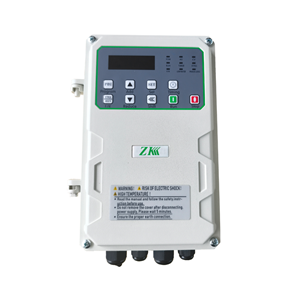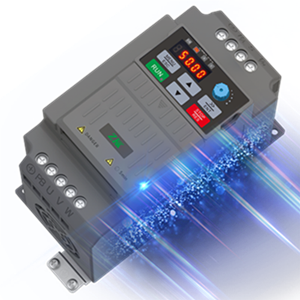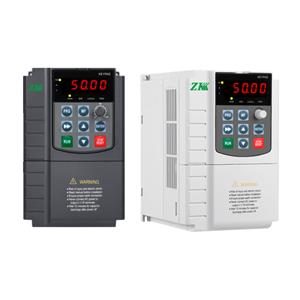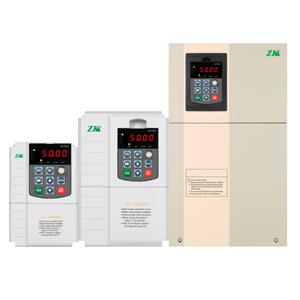
How Modern Variable Frequency Inverters (VFIs) Are Supporting Global Sustainability Goals
The worldwide transition toward a sustainable,low-carbon future is placing a spotlight on industrial energy consumption.As motors consume roughly two-thirds of all industrial electricity,improving their efficiency is a key priority. Advanced Variable Frequency Inverters (VFIs) are now widely recognized as a critical technology for achieving these ambitious sustainability goals.
Variable Frequency Inverters save energy by ensuring motors only run at the speed required for the task.In centrifugal pump and fan applications,a small reduction in speed can result in a disproportionately large reduction in energy consumption—often following the affinity laws,where halving the speed can reduce power consumption by up to 80%.
In precision-driven industries,such as pharmaceuticals,food processing,and chemical manufacturing,consistent process control is essential for quality assurance.Variable Frequency Inverters (VFI) provide superior control over motor speed and torque,ensuring that manufacturing processes operate within strict tolerances.Unlike on/off control mechanisms, which can introduce stress on electrical and mechanical systems,a VFI provides smooth acceleration and deceleration, minimizing electrical surges and mechanical shocks.
Modern Variable Frequency Inverters utilize sophisticated control methods,including Field Oriented Control (FOC) or sensorless vector control,to provide precise speed regulation even under fluctuating load conditions.This high level of accuracy directly improves the consistency of the final product,reduces waste,and boosts overall productivity. Moreover, the robust design of contemporary VFIs ensures reliable performance in harsh industrial environments, featuring advanced protection features against overcurrent, overvoltage,and overheating.Investing in a high-quality VFI is fundamental for optimizing process efficiency and reducing operational risks.
Environmental and Economic Benefits
By investing in high-efficiency Variable Frequency Inverters,companies not only reduce their energy bills but also significantly lower their CO2 emissions.This allows industries to comply with stricter environmental regulations and enhance their ESG (Environmental,Social, and Governance) scores.
Key Sustainability Impacts
Lower Greenhouse Gas Emissions: Reduced energy consumption directly translates to fewer greenhouse gases emitted by power plants.
Optimized Resource Usage:Better control over pumps and mixers leads to less waste in material processing.
Longer Equipment Lifespan:By reducing mechanical stress and heat,VFIs reduce the need for premature equipment replacement,promoting a circular economy.
"We are seeing a massive shift towards investing in sustainable technology,"says a sustainability consultant."Variable Frequency Inverters offer one of the fastest returns on investment of any energy-saving technology,making them an easy choice for companies looking to be more eco-friendly."
Conclusion
As industries strive to meet net-zero targets,the role of Variable Frequency Inverters will become even more significant. Investing in this technology is not just about cost savings;it's a commitment to a cleaner,more efficient industrial future.