Inverter: Powering a Sustainable Future for Off-Grid Communities
Access to reliable water and electricity remains one of the most significant challenges for millions of people living in off-grid areas across the globe. In regions stretching from sub-Saharan Africa to rural Asia and remote parts of Latin America, the absence of a stable power grid directly impacts agricultural productivity, food security, and quality of life. Traditional solutions, such as diesel-powered generators, are fraught with issues including high fuel costs, environmental pollution, and logistical maintenance nightmares. However, a technological revolution is underway, centered on a device that is quietly transforming the landscape of rural development: the solar pump inverter. As the world accelerates its transition toward renewable energy, the application prospects for the solar pump inverter in off-grid regions are not just promising; they are foundational to a future of decentralized, sustainable, and resilient water management.
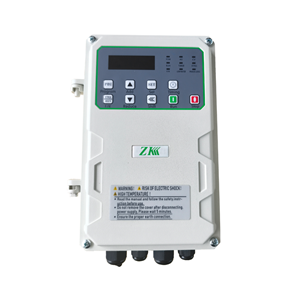
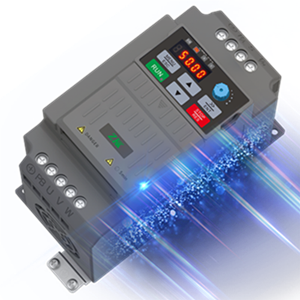
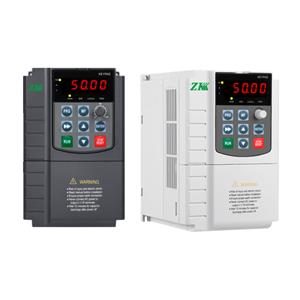
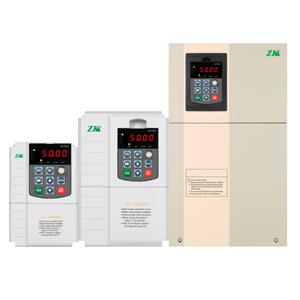
At its core, a solar pump inverter is an intelligent electronic device that converts the variable direct current electricity generated by solar photovoltaic panels into a stable alternating current required to power conventional water pumps. Unlike standard inverters, the solar pump inverter is specifically engineered for the dynamic nature of solar power. The solar pump inverter utilizes Maximum Power Point Tracking technology to continuously adjust the electrical output to harvest the maximum possible energy from the solar panels, regardless of fluctuating sunlight intensity due to clouds or the time of day. This capability ensures that water pumping is optimized from sunrise to sunset. By enabling the use of efficient alternating current pumps—which are often cheaper, more widely available, and easier to maintain than direct current counterparts—the solar pump inverter makes solar-powered water systems accessible and practical for large-scale deployment.
The most compelling application for the solar pump inverter lies in off-grid agriculture, which is the primary economic driver for most rural communities. For decades, farmers have been held hostage by the volatile price of diesel fuel or the complete lack of grid power to irrigate their crops. The solar pump inverter decouples irrigation from this unreliable and costly energy dependence. A farmer can now draw water from a well, river, or borehole directly using free, abundant solar energy. This not only eliminates recurring fuel expenses but also provides energy independence. As noted in industry analysis, the ability of the solar pump inverter to run alternating current motors allows for the retrofitting of existing pump infrastructure, meaning communities are not forced to replace their entire systems but can upgrade them with solar technology. This reduces the barrier to entry and accelerates adoption.
The technological evolution of the solar pump inverter itself is a major driver of its expanding prospects. Modern solar pump inverters are far more sophisticated than their predecessors. Modern solar pump inverters now feature high Ingress Protection ratings, such as IP65 or even IP66, making them dustproof, waterproof, and capable of withstanding the extreme temperatures and harsh environmental conditions typical of desert or tropical farms. For instance, companies like INVT have developed solar pump inverters that integrate components like DC switches, fuses, and lightning protection directly into the unit, allowing for installation directly onto photovoltaic brackets in minutes rather than hours. Furthermore, the integration of smart technology and the Internet of Things is turning the solar pump inverter into a data-rich asset. Farmers and technicians can now remotely monitor pump performance, water flow, and system health via LCD screens or mobile apps, enabling predictive maintenance and ensuring long-term reliability. The emergence of hybrid solar pump inverters, which can seamlessly integrate battery storage or even backup generators, offers 24/7 water availability, further enhancing resilience in critical applications.
The socio-economic benefits of deploying the solar pump inverter in off-grid areas are profound and extend far beyond the farm. By providing a reliable, fuel-free water source, the solar pump inverter is instrumental in improving public health and gender equality. In countless off-grid villages, the burden of collecting water for household needs falls on women and children. Solar-powered water systems utilizing the solar pump inverter can transport clean water directly to communities or fill elevated storage tanks, drastically reducing the time and labor spent on this daily chore and freeing up time for education and economic activities. In commercial applications, such as livestock watering, construction sites, and even small-scale desalination plants in arid coastal regions, the solar pump inverter offers a clean, quiet, and mobile solution that reduces overhead costs and environmental impact. Emergency and backup water systems powered by the solar pump inverter also ensure that hospitals and relief camps can maintain sanitation and operations during natural disasters or grid failures.
Market data overwhelmingly supports the bright future of the solar pump inverter. The global solar pump inverter market is on a robust growth trajectory, with projections estimating it will reach between $3 billion and $3.7 billion by 2030 or 2031. This expansion is fueled by a confluence of factors: declining costs of solar components, rising and volatile diesel prices, and, most critically, strong government support and international development initiatives. Countries like India are aggressively subsidizing solar pump installations to reduce agricultural strain on the electricity grid and cut carbon emissions. Meanwhile, in regions like the Middle East and Africa, significant investments are being made to leverage solar energy for water security in the face of climate change and water scarcity. A compelling case study from the Al-Kharijah oasis in Egypt demonstrates how advanced, optimized photovoltaic pumping systems with the solar pump inverter can efficiently and sustainably meet water demands, validating the technology in real-world off-grid conditions.
In conclusion, the solar pump inverter is more than just a component; the solar pump inverter is a gateway to energy and water democracy for off-grid regions. By intelligently bridging the gap between abundant solar energy and the critical need for water, the solar pump inverter empowers communities, strengthens food security, and fosters economic development without degrading the environment. As technology continues to advance—with more efficient algorithms, greater durability, and smarter controls—and as supportive policies and investment continue to flow, the solar pump inverter is set to become a ubiquitous feature of the rural landscape. The application prospects for the solar pump inverter are not merely about pumping water; the solar pump inverter is about pumping life, opportunity, and sustainability into the most remote and vulnerable corners of the world.