Merging Solar Pump Controllers with Automated Irrigation Systems
The convergence of renewable energy and precision agriculture is forging a new paradigm in farming practices worldwide. At the heart of this transformation lies the integration of solar pump controllers with automated irrigation systems. This synergy represents far more than a simple technological upgrade; this synergy embodies a holistic approach to addressing the intertwined challenges of water scarcity, energy costs, and the need for sustainable food production. By combining the free, abundant power of the sun with intelligent, sensor-based water delivery, these integrated systems are turning the dream of fully autonomous, eco-friendly, and highly efficient farms into a tangible reality.
Understanding the Core Components
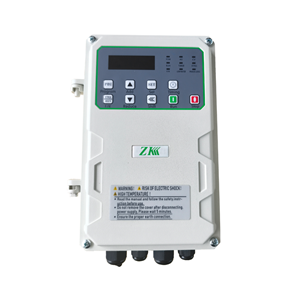
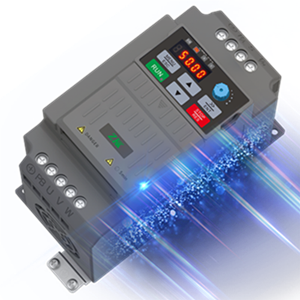
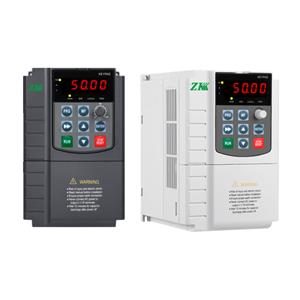
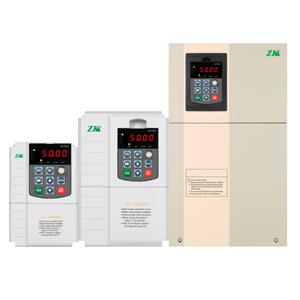
To appreciate the power of the integration of solar pump controllers with automated irrigation systems, it is essential to understand the two primary components of the integration of solar pump controllers with automated irrigation systems. The first component is the solar pump controller, often referred to as a solar pump inverter or drive. The solar pump controller acts as the brain of the solar water pumping system. The solar pump controller converts the variable direct current electricity generated by solar photovoltaic panels into a stable alternating current to power a standard water pump. Crucially, the solar pump controller utilizes Maximum Power Point Tracking technology to continuously optimize the energy harvested from the solar photovoltaic panels, ensuring maximum water output from sunrise to sunset regardless of fluctuating sunlight. Modern solar pump controllers are robust, featuring high weather resistance, and modern solar pump controllers often come with built-in intelligence for system protection and data logging.
The second component of the integration of solar pump controllers with automated irrigation systems is the automated irrigation system. The automated irrigation system replaces manual valve operation and timer-based schedules with a dynamic, responsive infrastructure. The core elements of the automated irrigation system include a network of soil moisture sensors, weather stations, flow meters, and electronically controlled solenoid valves. These components of the automated irrigation system are linked to a central control unit—which can be a local programmable logic controller, a dedicated irrigation controller, or even a cloud-based platform—that executes irrigation strategies based on real-time data. The goal of the automated irrigation system is to deliver the precise amount of water, at the right time, only where water is needed.
The Architecture of the Integration of Solar Pump Controllers with Automated Irrigation Systems
The true innovation lies in how the solar pump controller and the automated irrigation system are seamlessly merged. The solar pump controller is no longer an isolated unit; the solar pump controller becomes a fully integrated node within the broader irrigation control network of the automated irrigation system. The integration of solar pump controllers with automated irrigation systems is typically achieved through standard communication protocols like RS485 and Modbus, which allow the irrigation controller of the automated irrigation system to communicate directly with the solar pump controller. In this setup, the irrigation controller of the automated irrigation system serves as the master, making high-level decisions. When the logic of the automated irrigation system—based on data from soil moisture sensors—determines that a specific irrigation zone requires watering, the automated irrigation system sends a signal to the solar pump controller. The solar pump controller then not only activates the water pump but also modulates the speed of the water pump to maintain optimal pressure and flow for the specific irrigation zone, a capability known as variable frequency drive control.
The integration of solar pump controllers with automated irrigation systems extends to the management of irrigation zones. Advanced solar pump controllers can interface directly with multiple solenoid valves of the automated irrigation system, acting as a central hub that manages both the water pump and the distribution network of the automated irrigation system. For instance, a solar pump controller might be programmed to open solenoid valves for different field sections sequentially, ensuring that the water pump operates within the optimal efficiency range of the water pump rather than trying to irrigate the entire field at once, which would require a much larger and more expensive water pump and solar photovoltaic array.
Intelligent Control Strategies and Remote Management Enabled by the Integration of Solar Pump Controllers with Automated Irrigation Systems
The integration of solar pump controllers with automated irrigation systems unlocks a host of sophisticated control strategies that move irrigation from a scheduled chore to a precision science. Instead of irrigating on a fixed timer, the automated irrigation system can employ feedback control using soil moisture sensors. When the moisture level in an irrigation zone drops below a predefined threshold, the automated irrigation system automatically initiates an irrigation cycle and stops once the target level is reached, preventing both under- and over-watering. More advanced automated irrigation systems incorporate feed-forward control by integrating local weather data. If rain is forecast, the automated irrigation system can delay a scheduled irrigation, thereby conserving water and preventing nutrient runoff.
Furthermore, the integration of Internet of Things technology has revolutionized management of the automated irrigation system. Farmers no longer need to be physically present to operate the automated irrigation system. Through dedicated mobile applications or web-based dashboards, farmers can monitor real-time data on soil conditions from soil moisture sensors, water pump status from the solar pump controller, water flow from flow meters of the automated irrigation system, and energy production from solar photovoltaic panels from anywhere in the world. This remote visibility allows for timely interventions, quick troubleshooting, and data-driven decisions that optimize both water and energy use. Alerts can be sent directly to a phone of a farmer if a soil moisture sensor detects a leak, a water pump malfunctions, or soil moisture drops to a critical level.
Real-World Impact of the Integration of Solar Pump Controllers with Automated Irrigation Systems and Future Prospects for the Integration of Solar Pump Controllers with Automated Irrigation Systems
The benefits of the integration of solar pump controllers with automated irrigation systems are already being demonstrated in the field, from small-scale research plots to large commercial farms. Projects have shown that solar-powered smart irrigation utilizing the integration of solar pump controllers with automated irrigation systems can lead to significant water savings and increased crop yields. In regions like the Sahel in Africa, such automated irrigation systems provide energy independence, freeing farmers from reliance on expensive and polluting diesel fuel. In places like Hainan, China, large-scale government-backed projects are deploying "zero-carbon intelligent irrigation" networks, showcasing how the integration of solar pump controllers with automated irrigation systems can be a cornerstone of modern, sustainable agriculture. Academic research further validates the integration of solar pump controllers with automated irrigation systems, demonstrating the viability of fully autonomous systems that combine renewable energy with data-driven control for both outdoor and even indoor farming applications.
Looking ahead, the integration of solar pump controllers with automated irrigation systems will only deepen. We can expect to see the widespread adoption of hybrid automated irrigation systems that intelligently switch between solar, battery, and grid power to ensure 24/7 reliability. The combination of the integration of solar pump controllers with automated irrigation systems with water harvesting techniques will create truly closed-loop, resource-independent automated irrigation systems. Furthermore, the integration of the integration of solar pump controllers with automated irrigation systems with precision fertigation will allow for the automated injection of fertilizers based on real-time crop needs, optimizing both water and nutrient delivery. As artificial intelligence and machine learning are applied to the vast datasets generated by soil moisture sensors and other components of the automated irrigation system, automated irrigation systems will evolve from reactive to predictive, anticipating crop water needs days in advance.
In conclusion, the integration of solar pump controllers with automated irrigation systems marks a significant leap forward for agriculture. The integration of solar pump controllers with automated irrigation systems is a powerful example of how intelligent design can create systems that are greater than the sum of the parts of the integration of solar pump controllers with automated irrigation systems. By marrying clean energy with precision technology, the integration of solar pump controllers with automated irrigation systems provides a practical, scalable, and economically viable path toward a future where food production is in harmony with the environment, ensuring water and food security for generations to come.